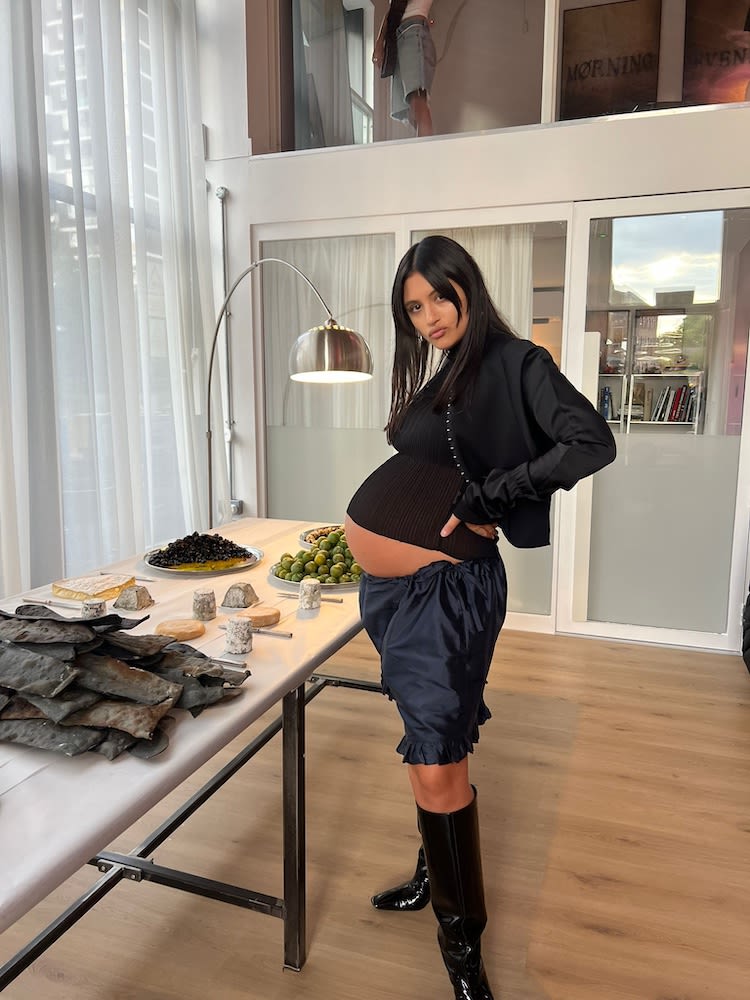
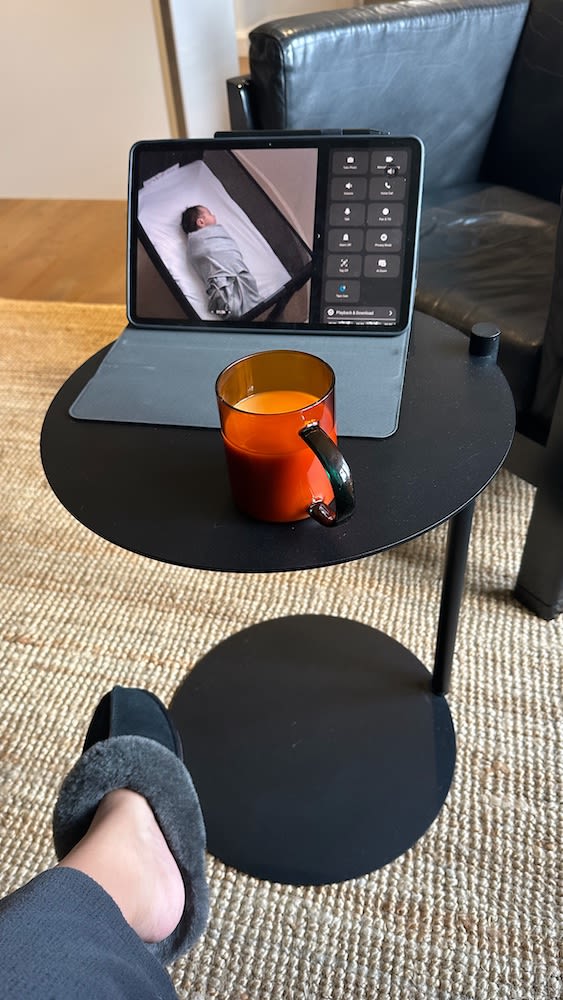
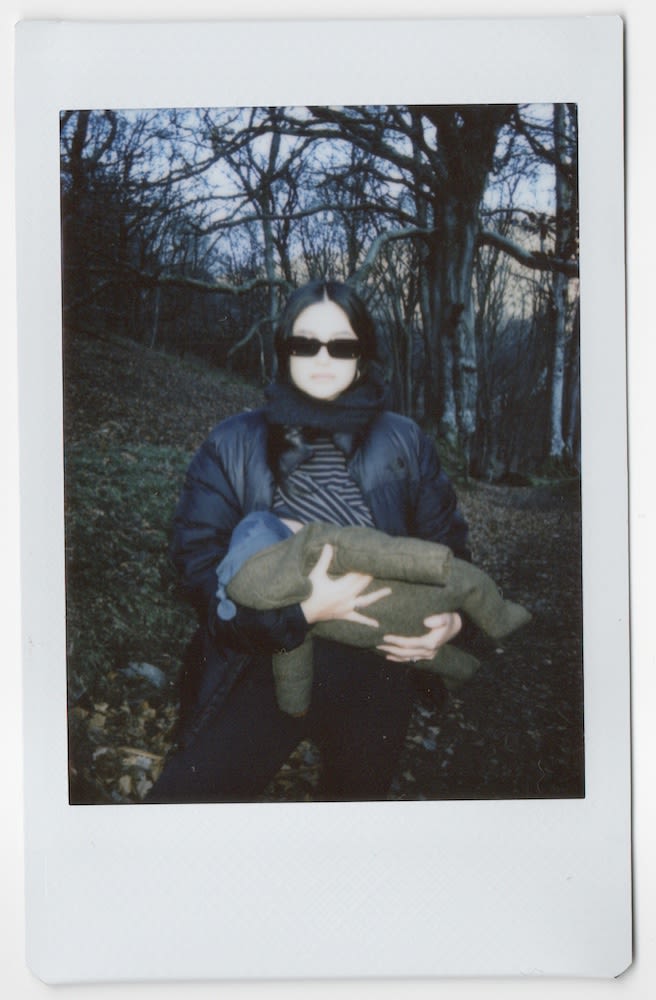
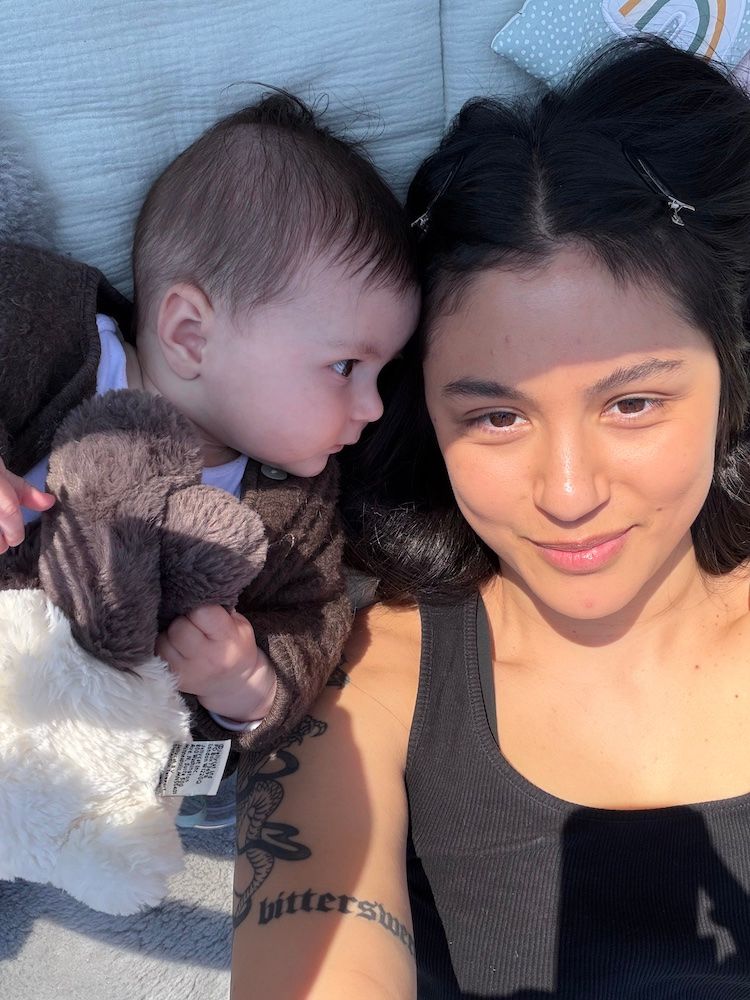
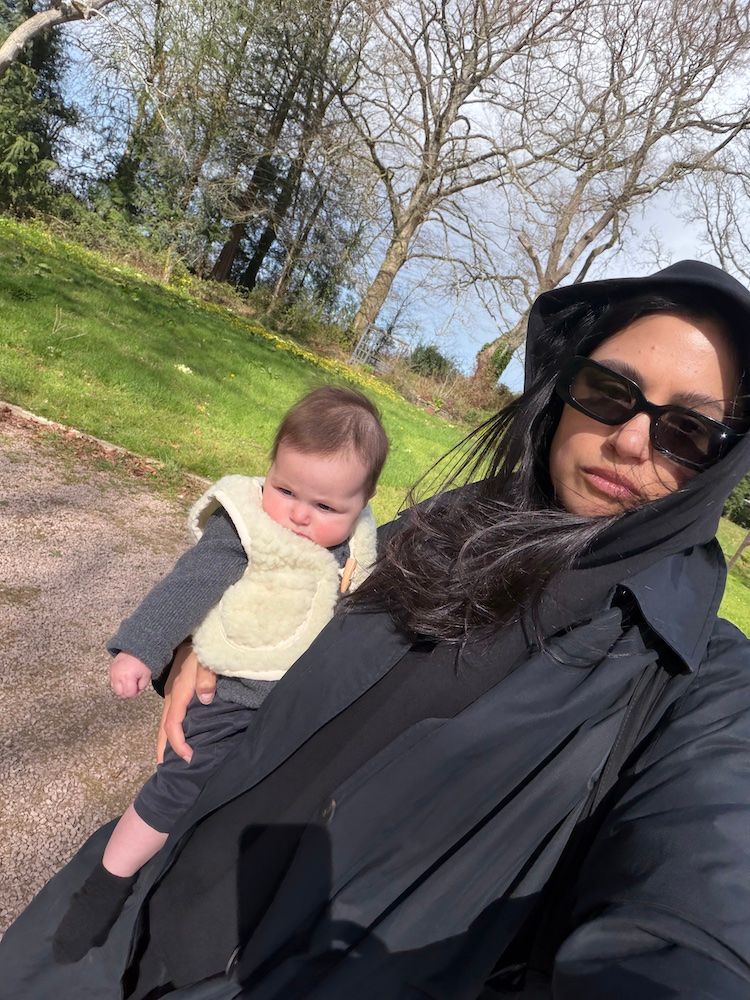
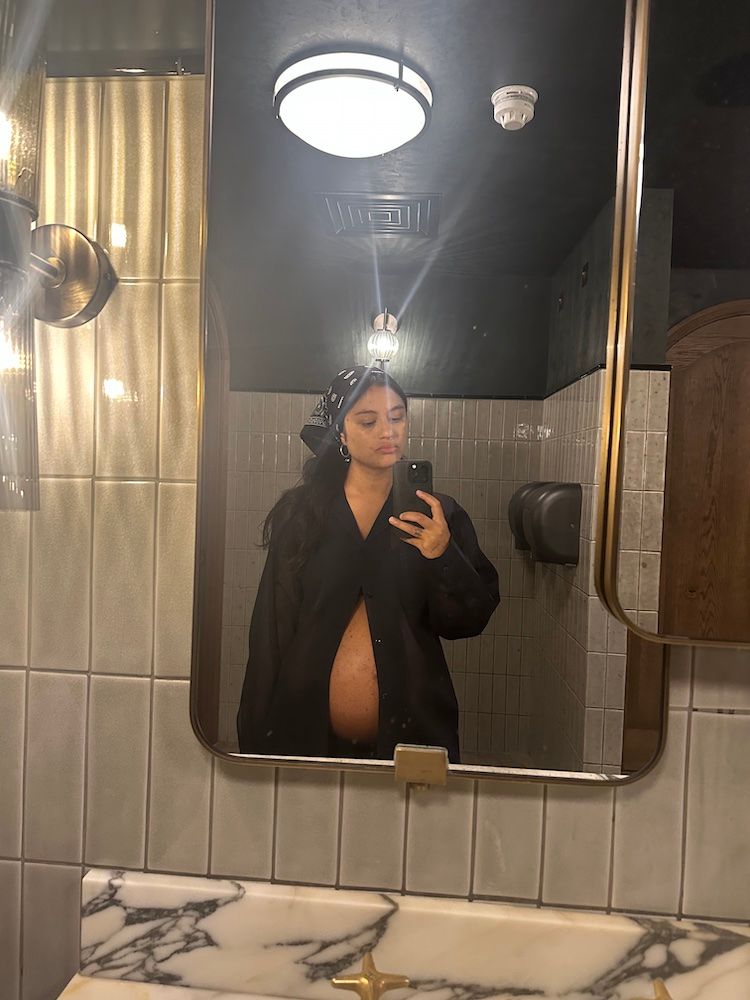
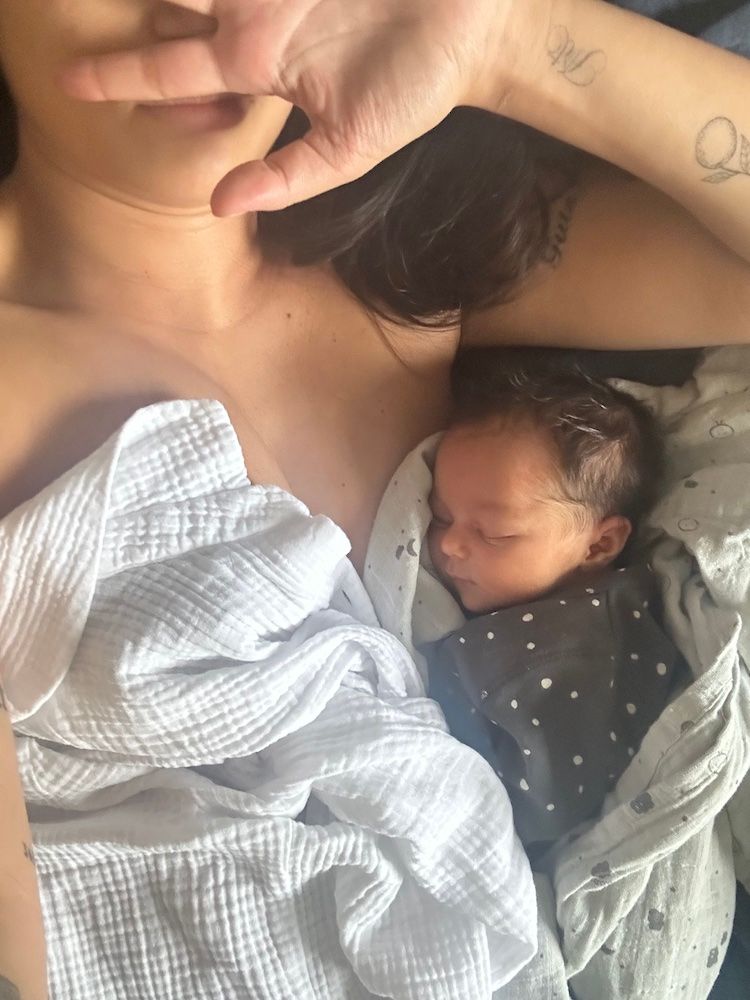
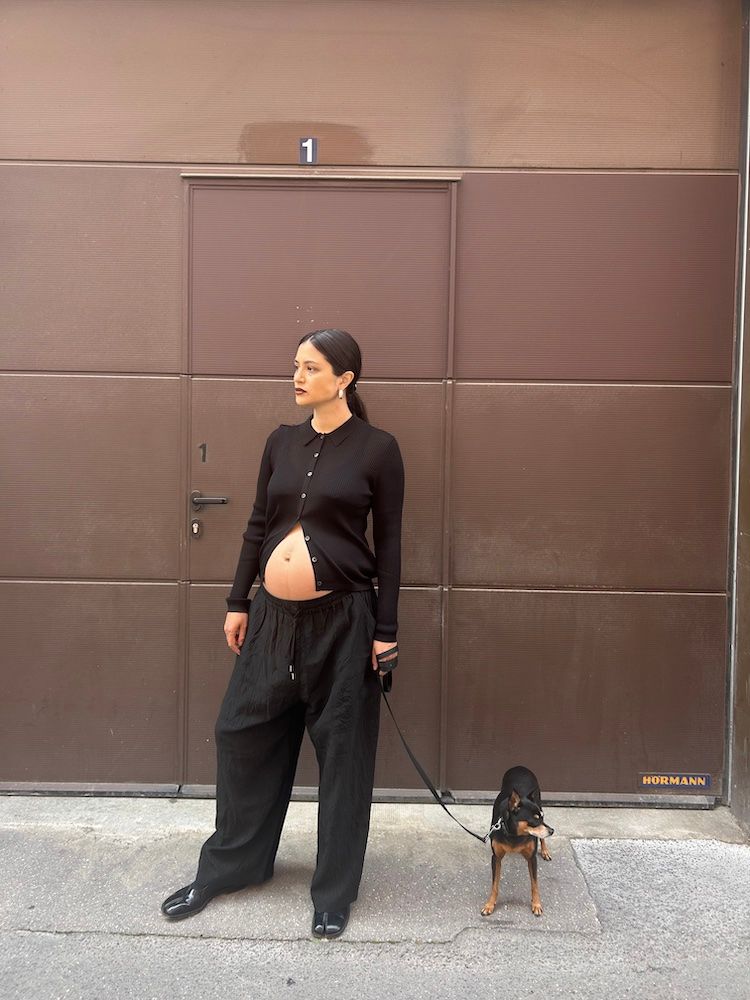



Maybe it’s true that things arrive when you finally loosen your grip on them. After years of miscarriages and fertility struggles, Lydia Pang began writing her memoir Eat Bitter: A Story About Guts, and Food as a cathartic refuge for her grief. “I’d had three miscarriages and my heart was sore,” she says. “I needed somewhere to put all of that.” But in an almost poetic twist, Pang—the founder of creative strategy studios Mørning and Evening—became pregnant with her daughter, Wolf, the very same month she sat down to write it. (She later turned in the manuscript the week before the baby was born.)
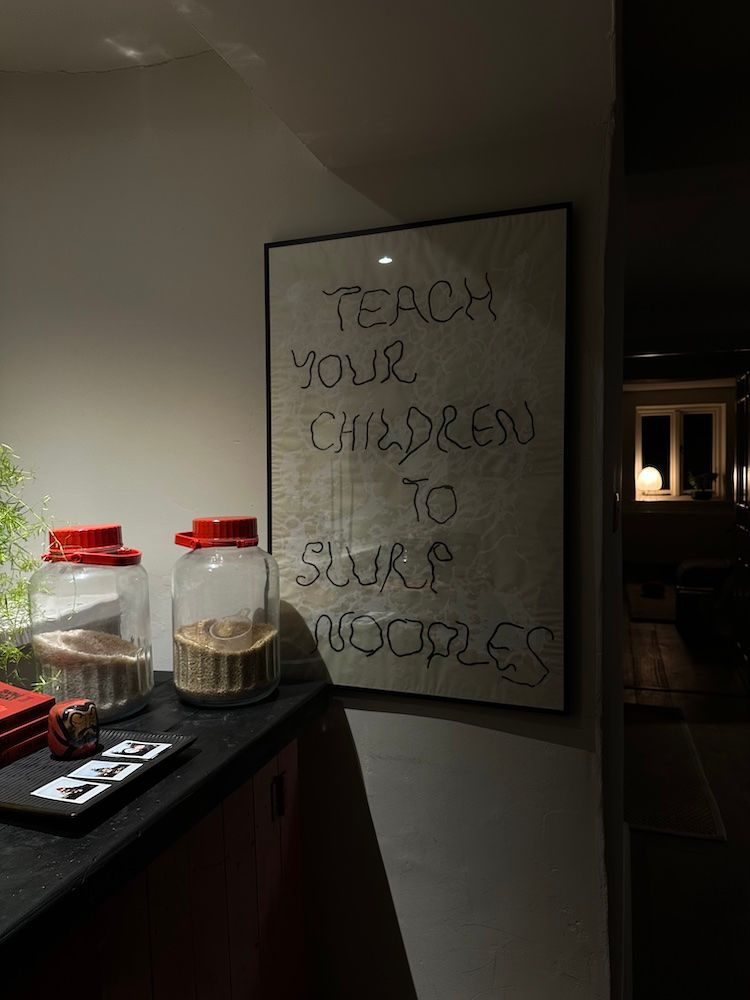
Even the title of the book now feels almost prophetic: “Eat bitter” is a Chinese idiom about enduring pain before tasting sweetness. Rooted in the experiences of her Hakka ancestors, whose cooking traditions were born from resilience and built around preservation and foraging, the phrase has taken on new meaning in Pang’s own life. After building a version of herself defined by control and grit, postpartum pushed her toward a “complete surrender” shaped by something gentler: softer makeup, messier hair, and a new relationship to the woman she spent decades constructing. She explains below.
Dear ITG,
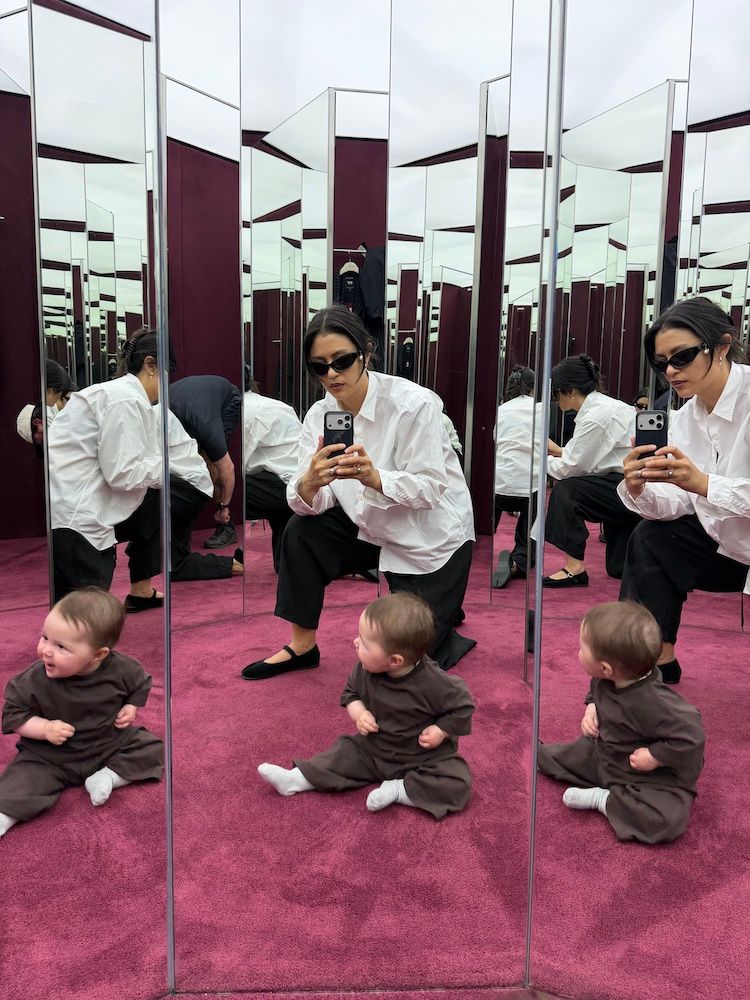
There’s nothing more bittersweet than life postpartum. After giving birth to my first baby—a little girl we named Wolf—seven and a half months ago, I’ve never felt so connected and yet so confused about my body. Everything that used to make me feel good no longer makes sense. Going into pregnancy, I convinced myself I’d be fine because I had such a strong sense of self, but no, it all went out the window.
I knew the first couple of months would feel like that, and I was excited about not caring—no socializing, no makeup, no exercise, just making sure my baby was OK. But I’m turning 38 this year, and because I had such a hard journey getting here—years of trying to get pregnant and trying to keep pregnancies—I was defined by that experience through my resilience and grit. Those are qualities I know deeply about myself, so even within that hard experience, I felt comfortable. Then her arrival was so vulnerable and beautiful and exposing.
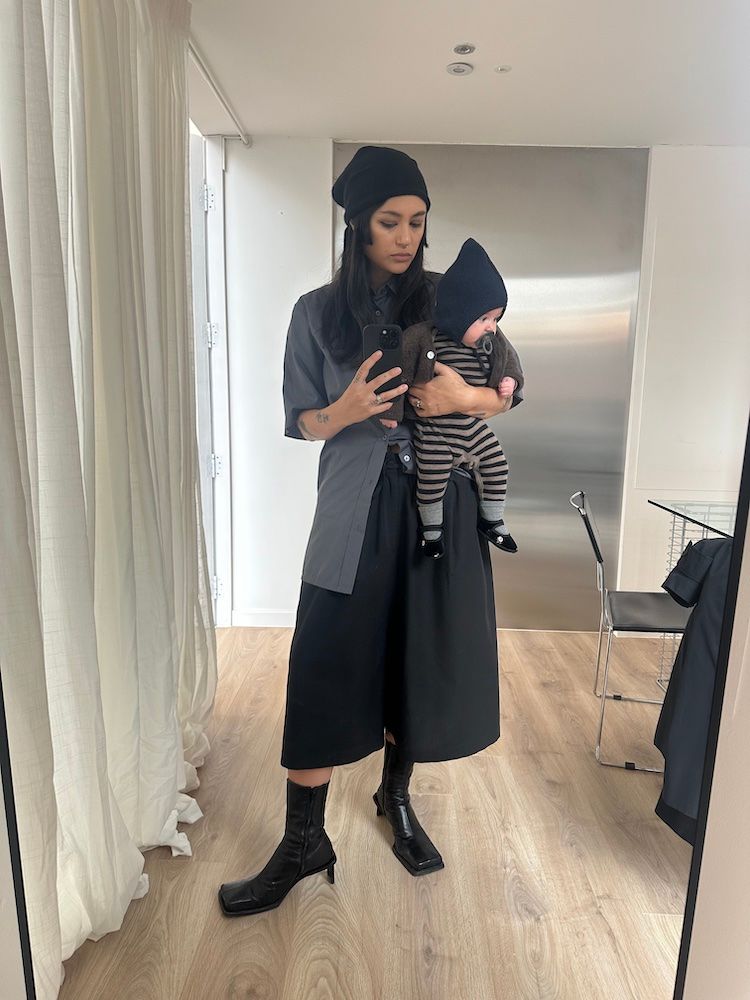
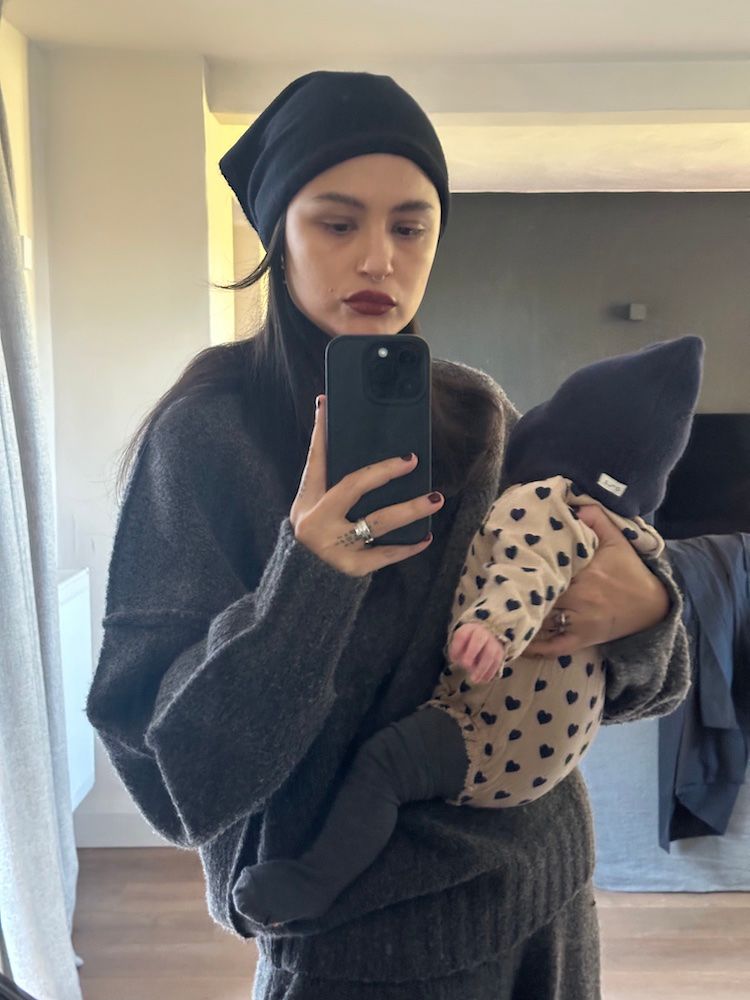
I’m in an era of complete surrender. My time isn’t my own; my house is chaotic. My body doesn’t look anything like it ever has, and, no matter how much I exercise, it’s a different shape. It’s interesting because I’ve technically gone back to my pre-baby weight, but my clothes still don’t fit. It’s almost like my bones are different. The person I spent decades piecing together completely disappeared and I feel softer now, which is not historically a quality I’ve nurtured in myself. But what’s been nice is that I’ve been able to pick bits from my past self and decide what bits I still want.
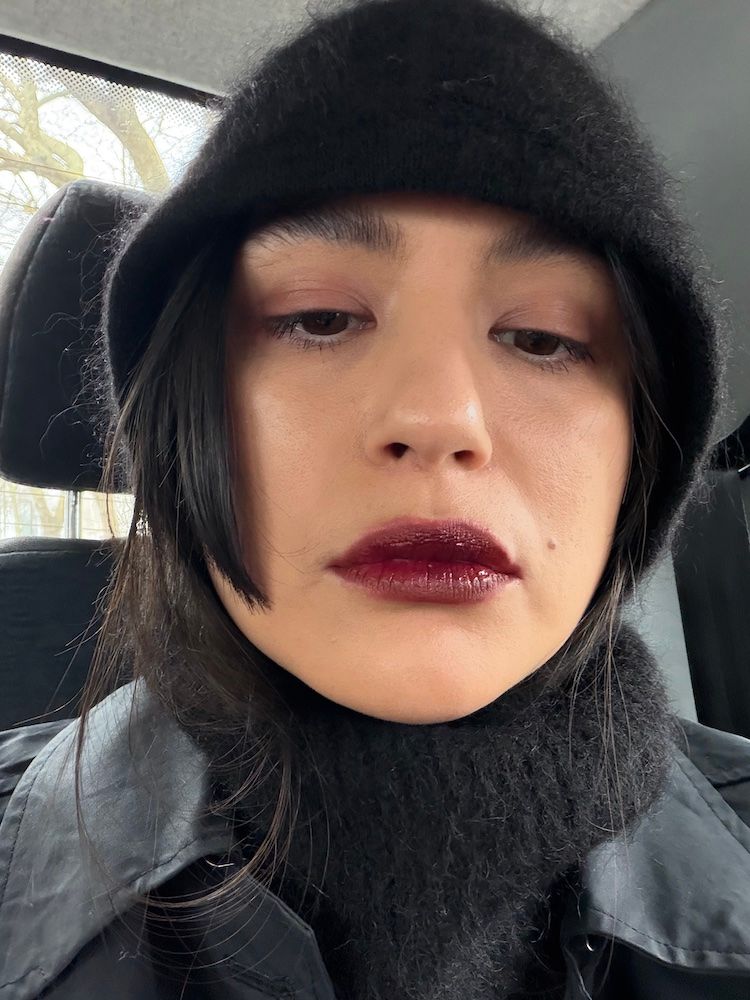
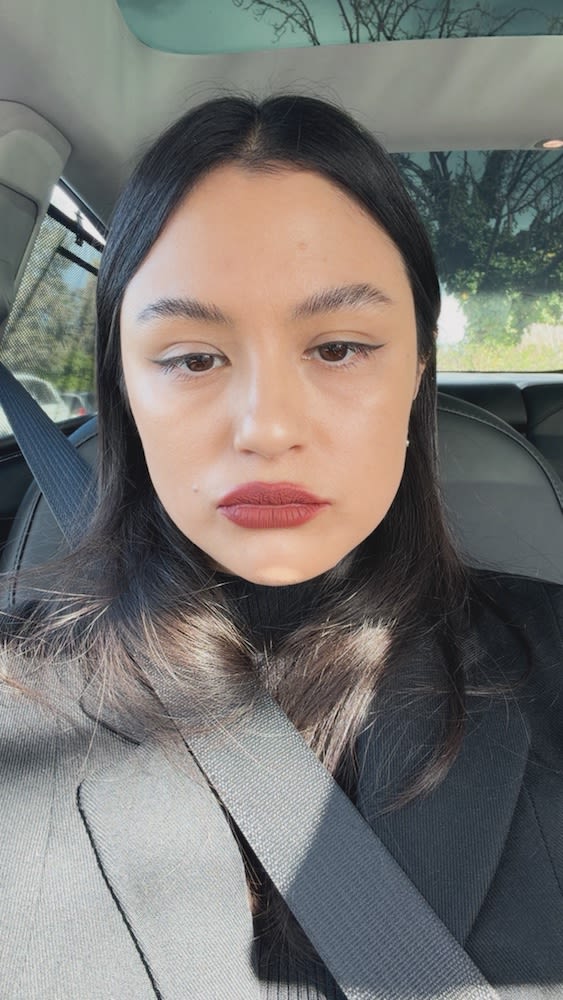
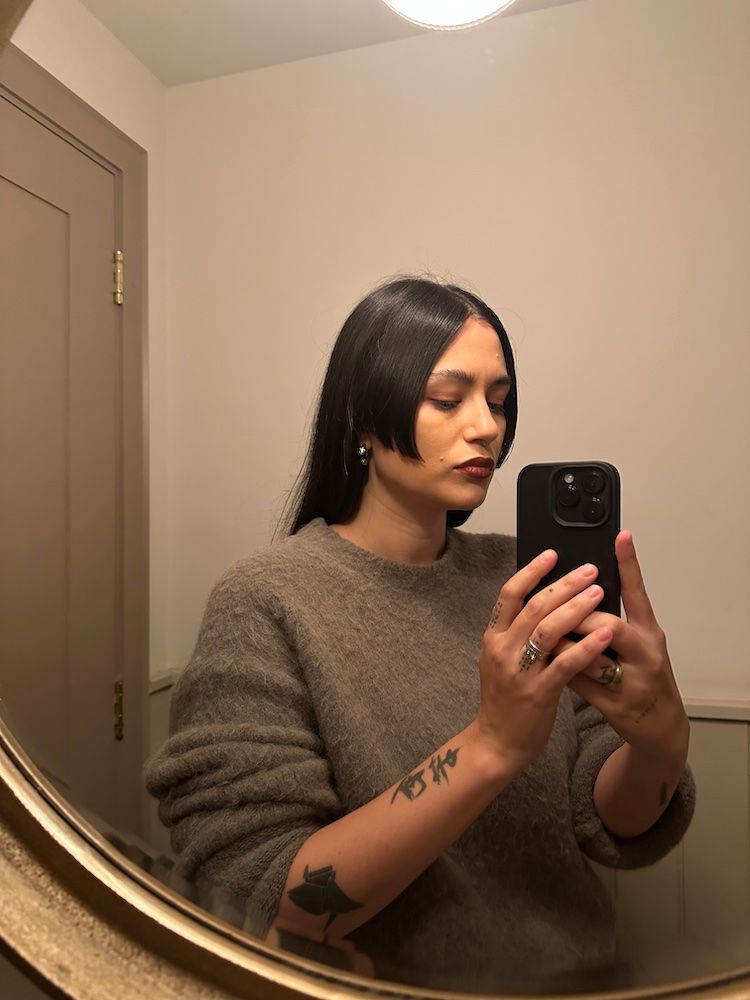
Before motherhood, my approach to beauty was very functional. I wanted expensive, effective, hardworking products—anything that did the fucking job. I used makeup to look severe, opinionated, decisive, and commanding. My eyebrows were always overlined and my mouth was jet black. Everyone bought into that version of me, and I felt like I needed to maintain it. But my approach has softened. I no longer gravitate toward black, but shades like deep blood-red. And instead of applying things perfectly, I’m enjoying when makeup looks smudged or stained, almost like after I’ve eaten. I’ve even been playing with looking tired—I’ll wear red or black shades under my eyes because I already have gray circles from not sleeping. I also stopped straightening my hair and started leaning into a bedhead, messier look. Obviously it still has to be done well or I just look like a hot mess, but it’s been fun to play with.

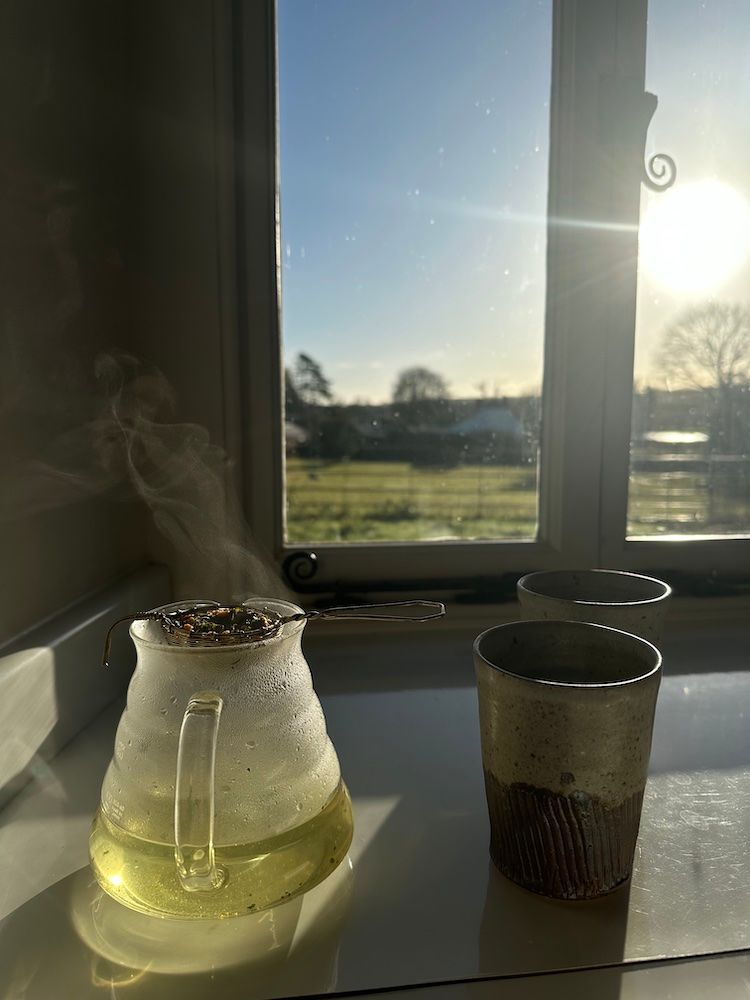
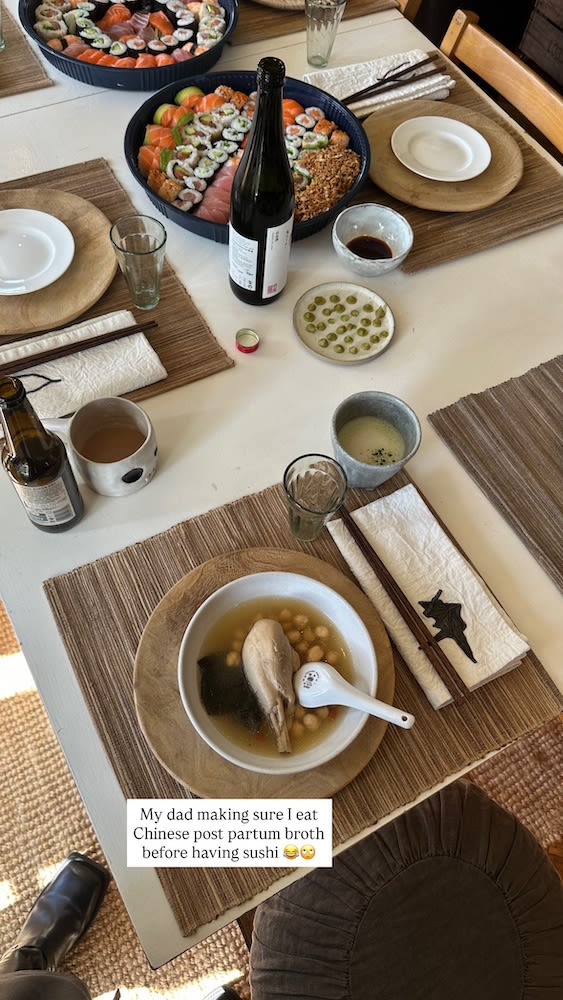
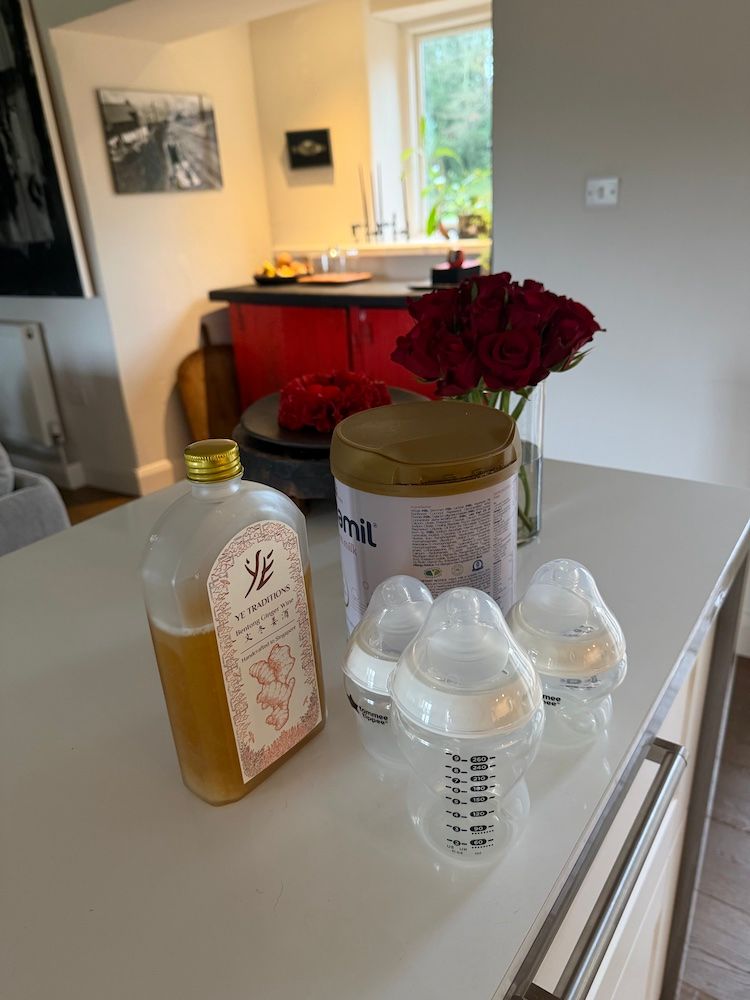
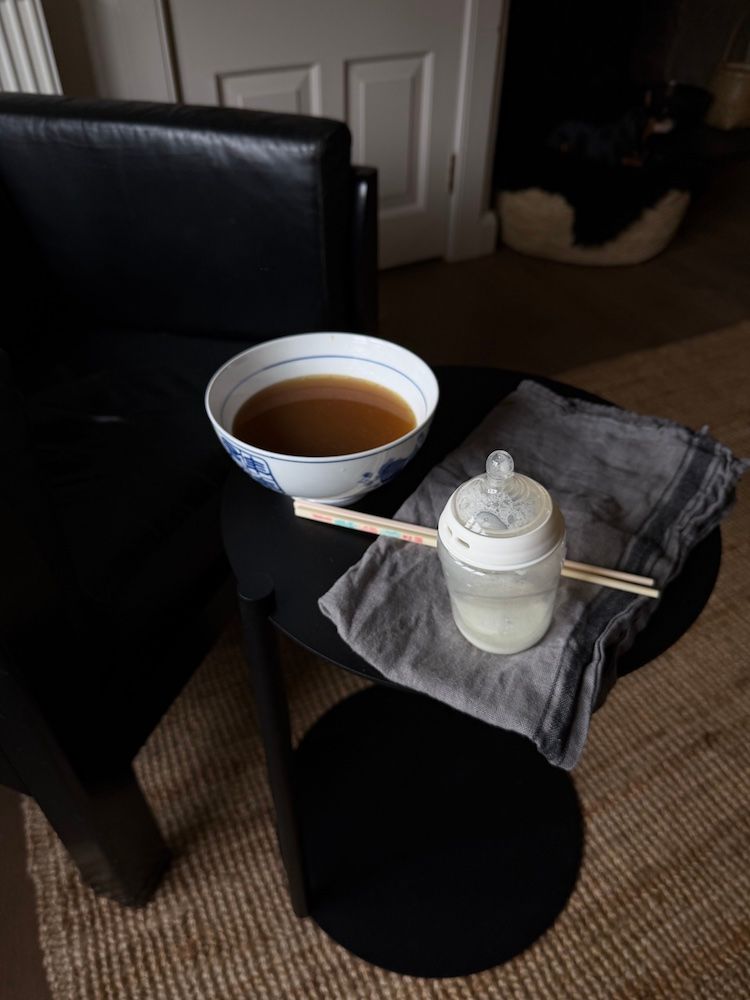
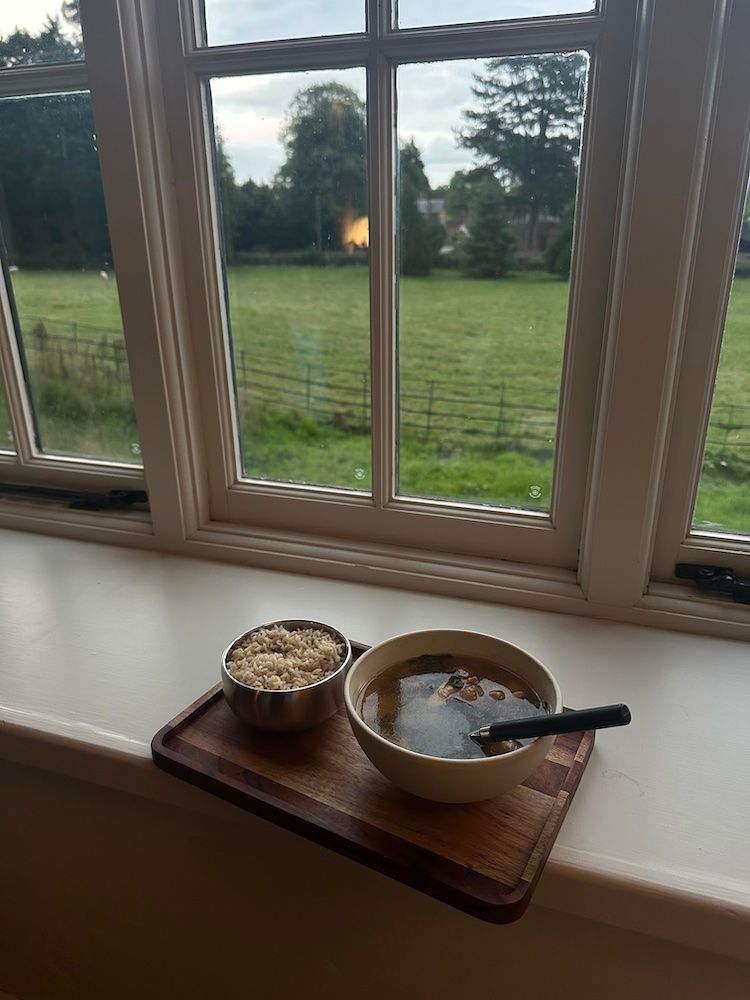
What’s also been interesting is watching traditional Chinese medicine—which has been a huge part of my postpartum journey—suddenly become “cool.” I grew up with it, long before its new mainstream era. My Chinese dad is now so confused; he keeps asking me why bone broth is suddenly fashionable. He made Chinese herbal broths with things like goji berries, plums, and lotus nuts that I ate every day for almost two months. Traditional Chinese medicine is all about putting heat back into the womb—the void where the baby once was. The soups would change depending on what my body needed and how my milk production was doing. I also ate a lot of oily fish, which was especially helpful because of a blood disorder that complicated my pregnancy. And I found an electrolyte concentrate from a brand called Oshun that’s been really helpful while breastfeeding.
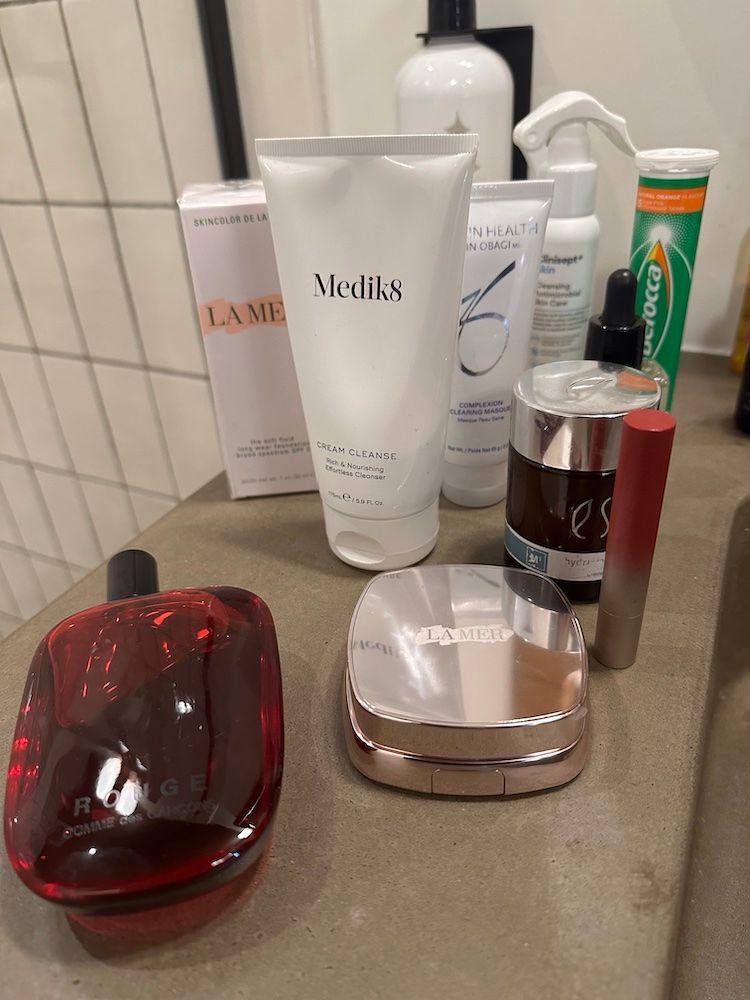
I’ve dealt with cystic acne for most of my life, and I was terrified it would get worse during pregnancy, but the opposite happened. My skin was flawless. I mean, I was being really cautious—eating clean, changing my pillowcases, all that shit—but maybe it was hormonal too. These days I barely have time to wash my face in the morning, so I just splash cold water on it and use La Mer’s Treatment Lotion. It’s expensive, but I genuinely think it’s worth it, especially for skin that’s oily and constantly shifting hormonally.
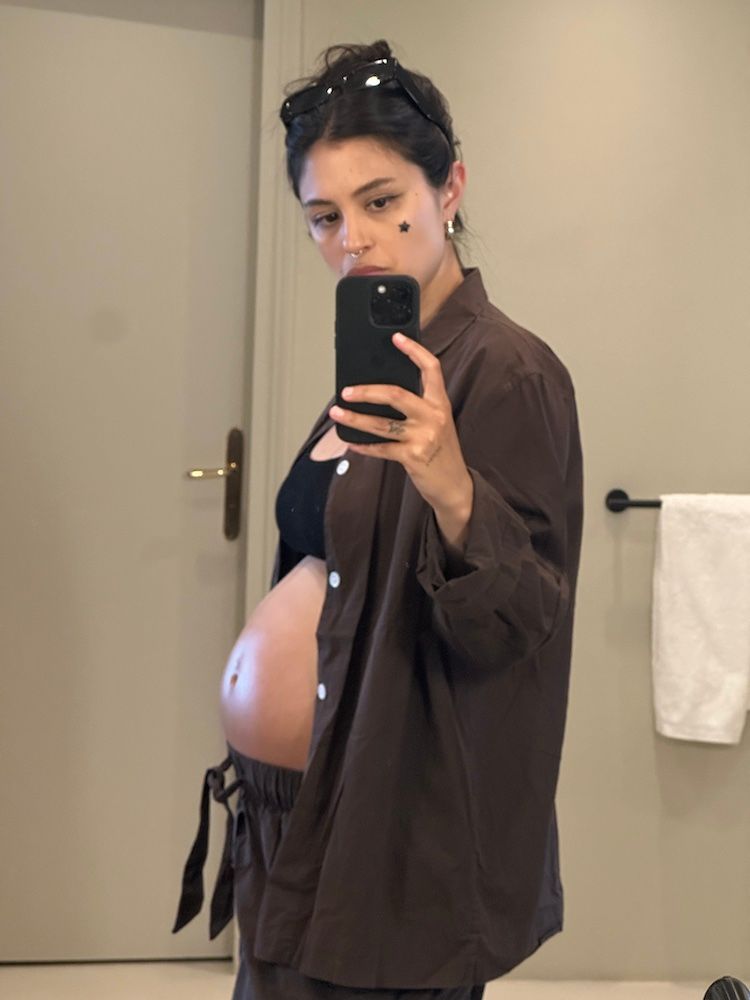
I was also lucky not to get stretch marks—my mom didn’t either, so I do think genetics play a role—but I was religious about using Clarins’ body stretch mark cream. I’m actually still using it because my body is still changing shape. And for the first time ever, I got what are ironically called “Babyglow” skin booster injections—a combination of hyaluronic acid, amino acids, antioxidants, vitamins, and minerals. I swear I noticed a difference within 24 hours. It felt like the equivalent of ten facials, and I’ll absolutely do it again.
OK, makeup. I really rate Stila’s Stay All Day matte lipsticks because the color literally doesn’t move. It dries in a way that stains the mouth, but not uncomfortably. I’ve stopped using garish, trendy shades and started gravitating toward classic dark browns, reds, and grays because I don’t want to pair a tired face with a poppy lip. And even when I’m not wearing foundation, I love MAC’s Mineralize Skinfinish highlighter because it gives me a little glow.

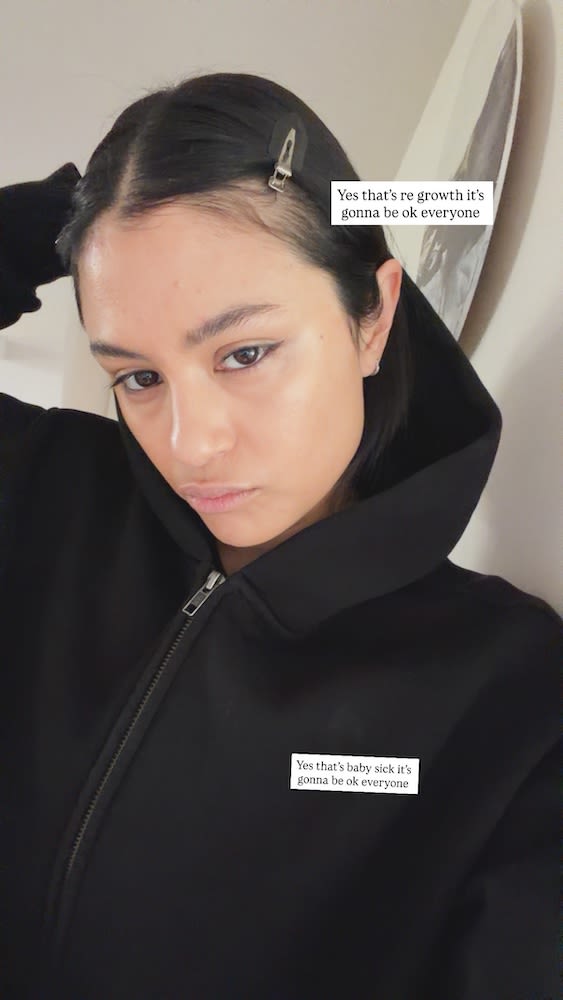
Trying to grow my hair back has been a journey. Around three months postpartum, I started losing handfuls of hair. It’s crazy because giving birth is already so disorienting, and just when you think you’re recovering, new weird things start happening. I cried a lot. I remember going to my hairdresser and he was like, “Where is your hair? You have no hair!” I just said, “Cut around it.”
Now I’m diligently trying to grow it back. I do a lot of slicked-back styles, and instead of using wax sticks, I use rosemary oil to help stimulate my scalp. I use Olaplex masks to keep the little hair I do have healthy, and sometimes I’ll get an intensive K18 moisture treatment at the salon where they wrap everything in foils and heat it before cutting my hair. I’m getting trims every six weeks now because I find that sharper cuts create the illusion of healthier hair. I also finally bought a proper Mason Pearson brush to stimulate my follicles. I don’t know if it’s the brush itself or the fact that I’m actually brushing my hair consistently now, but I do think it’s helping. I realized I needed to attach it to another habit, so every night when I brush my teeth, I brush my hair too. It’s like I brush everything.
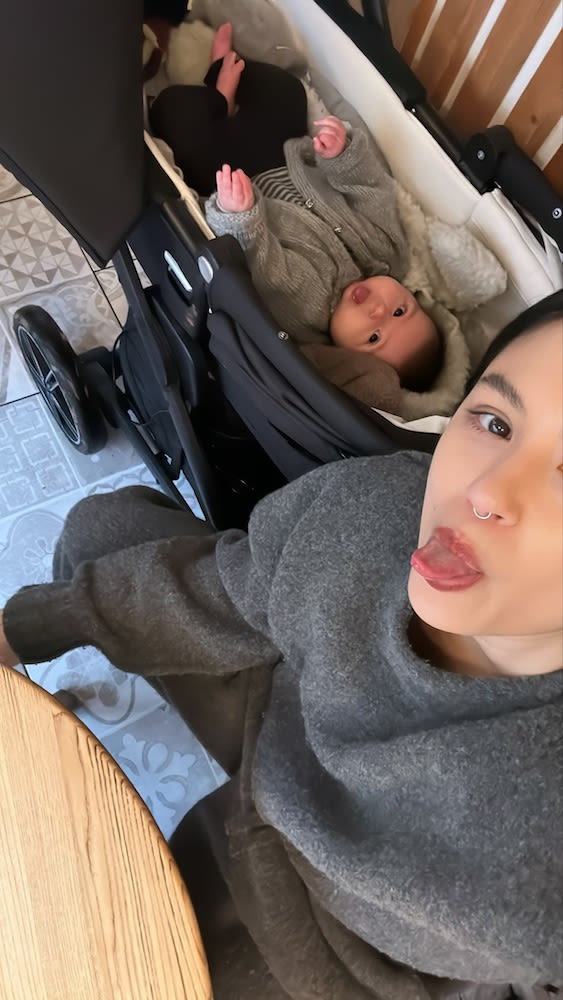
And one last thing: I removed my septum piercing. One day I looked in the mirror and everything had changed so profoundly that it suddenly felt comical. I took it out very unceremoniously, but I’m really glad I did because I’m a different person now.
With love,
Lydia Pang
—As told to Daise Bedolla
Photos courtesy of Lydia Pang